There is a special kind of satisfaction in starting a game on Friday night and seeing the credits before Monday arrives. The best indie games you can finish in one weekend do not feel like smaller versions of blockbuster releases. They have a clear idea, respect your attention, and know when to stop. That matters when your free time is divided between work, errands, a partner, and the household task that somehow cannot wait until Saturday.
I am not looking for games that are merely short. A two-hour game can still feel thin, while a six-hour game can make an excellent weekend companion. The real question is whether the experience creates momentum without demanding a second job. Here are the games I would recommend when you want a complete, memorable journey rather than another sprawling backlog obligation.
What makes a weekend game worth your time
A finishable game needs more than a low number on a playtime estimate. It should establish its main appeal quickly, offer enough variation to avoid repetition, and provide a satisfying sense of arrival. Save systems matter, too. If you can play for 30 minutes, make meaningful progress, and stop cleanly, the game fits adult life better than one that expects a four-hour uninterrupted session.
The strongest indie games you can finish in one weekend also have a manageable emotional shape. They might be strange, funny, tense, or quietly sad, but they do not bury their best ideas beneath endless upgrades and collectible cleanup. You should be able to understand what the game is asking from you before the coffee goes cold.
Playtime estimates below assume a normal first playthrough, including a little wandering and the occasional moment spent staring at a particularly nice view. Completionists can add hours, but completionism is exactly how a pleasant weekend turns into spreadsheet maintenance.
Gentle adventures for a low-energy weekend
A Short Hike is one of the safest recommendations here. It usually takes two to four hours, and its small mountain park is designed around curiosity rather than pressure. You climb, glide, fish, talk to odd little animals, and collect enough feathers to reach the summit. Nothing is difficult for long, and the game never treats relaxation as a lack of ambition.
Unpacking is another excellent after-work choice. Its organizing puzzles are simple, but the objects gradually tell the story of a person moving through different homes and stages of life. A typical run takes three to five hours. It is especially good when you want something tactile and calm after a day spent making decisions for other people.
Assemble with Care is shorter, closer to two or three hours, and built around repairing household objects. Its puzzles are gentle, its writing is warm, and its structure makes it easy to play in small sessions. These are games for a tired Friday when you want to feel present, not tested.
Short stories with a little more weight
What Remains of Edith Finch remains one of the clearest examples of focused interactive storytelling. It takes roughly two to three hours and moves through a series of distinct family stories, each using a different playable idea. Some scenes are playful; others are unsettling. The variety keeps the experience moving, while the limited length prevents the central conceit from becoming overworked.
Firewatch takes closer to four or five hours and asks for more attention, but it still fits comfortably into a weekend. You play a seasonal fire lookout communicating by radio with another employee in the Wyoming wilderness. The scenery is beautiful, the conversations carry the game, and the walking never becomes an open-world chore. It is a good pick when you want a story with atmosphere but do not want to commit to a 30-hour narrative campaign.
Venba is even more compact, usually taking one to two hours. You cook South Indian dishes while following a family across years of change. The recipes are the mechanical core, but the real appeal is how food, memory, and family tension are connected. It is brief enough for one sitting and substantial enough to give the evening a point.
Smart design without a giant time commitment
Cocoon is for players who want something more mechanically demanding. Its layered worlds and interconnected puzzles can take five to seven hours, depending on how quickly the logic clicks. The game explains very little, but its visual language is consistent, and each new ability changes how you understand the spaces you have already visited. It feels substantial without padding the journey with filler combat or an oversized map.
Strange Horticulture offers a different kind of puzzle experience. You run an occult plant shop, identify mysterious specimens, and make choices that influence the town around you. Expect roughly six to eight hours. That is near the upper end of a weekend game, but the daily structure makes progress easy to divide across several nights. It is ideal for someone who wants mood, mystery, and a notebook nearby.
The Case of the Golden Idol is another strong choice if you enjoy investigation. Its murder scenes require careful observation and logical deduction rather than reflexes. It can take eight to twelve hours, so it is not the most casual option on this list, but a focused player can make meaningful progress over a weekend. It rewards attention, not grinding.
How to choose the right game for your schedule
Start with your available energy, not just your available hours. If Saturday is crowded and Sunday night is already looming, choose A Short Hike, Venba, or Assemble with Care. Their goals are clear and their controls will not punish you for being distracted. If you have a quiet weekend and want a stronger narrative pull, Firewatch or Edith Finch should do the job.
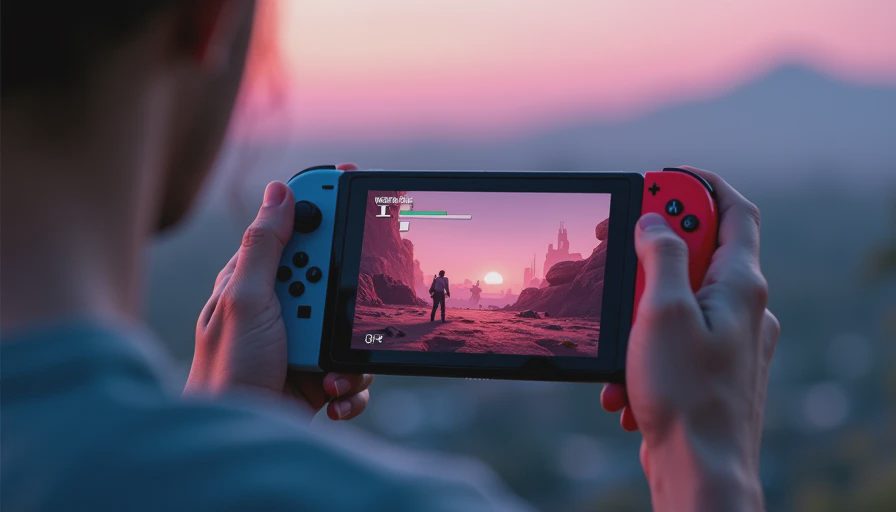
For a couple sharing a television, Unpacking and Strange Horticulture are easy to discuss while playing. One person can make a suggestion, notice a clue, or argue about where a lamp belongs without taking over the whole experience. For a Steam Deck or Switch, these games also work well because they support short sessions and do not require a desk-like setup.
The best indie games you can finish in one weekend are flexible about how you consume them. You can play for an hour before dinner, return later, and still remember what you were doing. That is more valuable than a technically impressive game that loses you every time real life interrupts.
A simple weekend plan
On Friday, play for 60 to 90 minutes and see whether the main loop has introduced itself. If you are still waiting for the game to become interesting, do not assume the payoff is hidden in hour six. Saturday is the time for the largest session, perhaps two or three hours with a break in the middle. Sunday should be reserved for the final stretch rather than a frantic attempt to clear half the game.
Avoid starting a game with a reputation for being “short” if it relies on backtracking, vague objectives, or repeated challenge rooms. Short does not automatically mean finishable. A good weekend game creates forward motion, gives you useful stopping points, and makes the ending feel earned rather than merely available.
The final recommendation
If you want the safest all-purpose pick, start with A Short Hike. If you want a story, choose Firewatch or What Remains of Edith Finch. If you want puzzles, try Cocoon or The Case of the Golden Idol. If you want comfort after a demanding week, Unpacking is difficult to beat.
The best indie games you can finish in one weekend leave you with something more useful than a completed achievement: the feeling that your limited free time went somewhere good. A good game does not just deserve praise. It deserves your Tuesday night, and these games have a fair chance of earning it.





No notes yet — write the first.