
If you’ve ever stood in front of your Steam library at 9:40 p.m. on a Tuesday, scrolled through a dozen “must-play” indie games, and then turned the whole thing off because choosing felt like work, then you already understand why Worth Your Night exists. I’m Owen Parker, and I started this site because adult players need better filters — not more lists, not louder hype, not another critic telling you everything is brilliant if you just have forty hours to spare.
The games industry has a filter problem. Most coverage is written by people whose job is to play everything, finish most of it, and then describe what they experienced. That’s useful in a narrow sense. But it rarely answers the question a busy adult actually asks before committing an evening: Is this worth my time, specifically? Not “is it interesting,” not “is it ambitious,” not “does it do something new.” Just: if I start this tonight after dinner, will I feel good about that choice at midnight?
Most of the time, nobody tells you. So I decided to build a place that does.
The Gap Between Praise and Practicality
I’ve spent over a decade writing indie game recommendations in one form or another. I freelanced short columns, curated lists for friends, and kept a running note on my phone titled “good games I would never recommend to a tired person.” That note is longer than I’d like to admit.
The pattern I kept seeing was this: a game launches, gets praised for its art direction or its emotional ambition or its clever systems, and then every outlet starts saying some version of “you have to play this.” But when I actually sat down with those games after a full workday, many of them didn’t survive contact with a tired adult. They asked for too much onboarding. They had long, meandering openings. They respected the designer’s vision more than the player’s evening.
That doesn’t make them bad games. It makes them bad recommendations for a specific audience — an audience that includes me, and probably includes you.
Admiration and recommendation are not the same thing. I can admire a game for its narrative structure while also knowing I would never tell a married software product manager with two free hours on a Thursday to start it. Worth Your Night exists to make that distinction explicit.
Let me give you a concrete example. A few years ago, I picked up an acclaimed narrative indie game about grief and memory. It was beautifully written, visually restrained, and emotionally ambitious. It also took me four separate sittings just to get through the opening chapter because every time I returned, I had to reorient myself in the story, remember what the objects in the environment meant, and rebuild the mental map I’d lost since my last session. That game might be a masterpiece for someone with a full weekend and a quiet apartment. For me, it was a frustrating exercise in trying to care about something that kept slipping out of reach. I finished it eventually, but I don’t remember the ending. I remember the friction.
That’s the kind of honesty most reviews won’t give you, because most reviews are written in the afterglow of finishing, not in the messy middle of trying to get back into a game after a week of work.
What I Actually Filter For
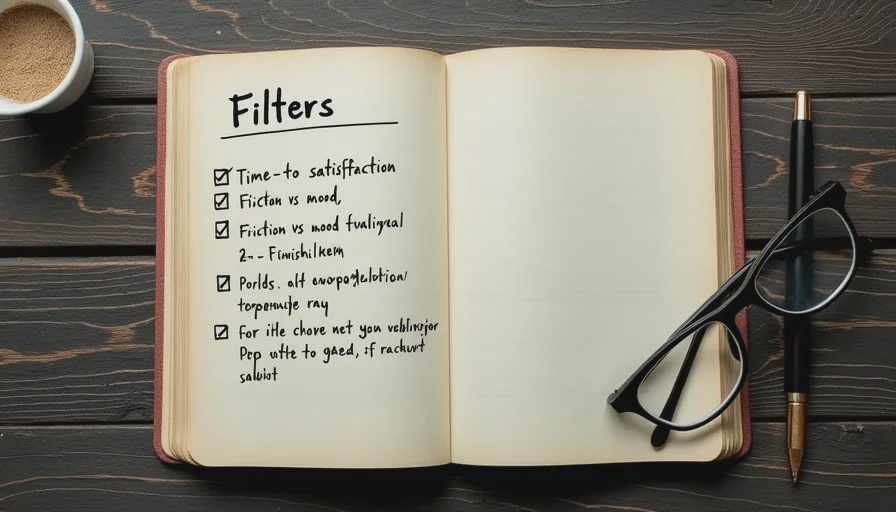
The site’s core question is simple: does this game earn your weeknight? To answer that, I apply a few filters that most mainstream coverage skips or softens.
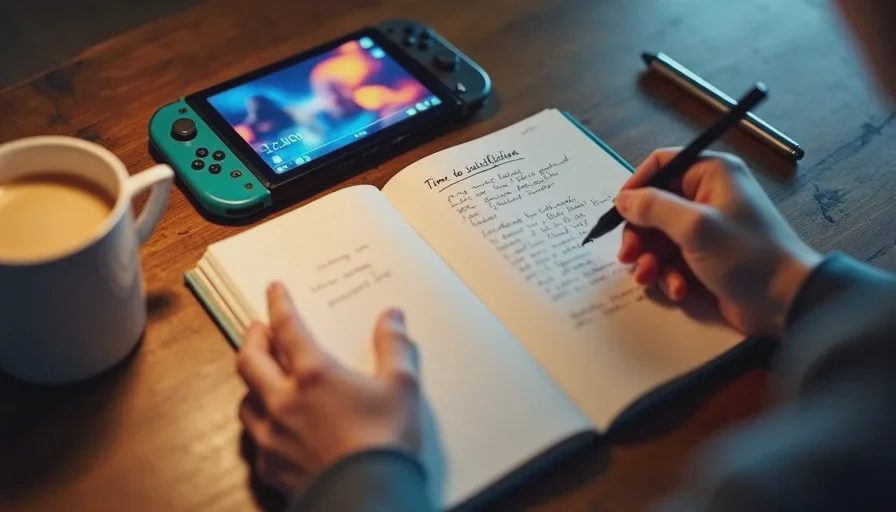
Time-to-satisfaction
How long before the game feels like it’s giving something back? Not how long before the tutorial ends, but how long before a tired adult feels a small payoff — a mechanic that clicks, a scene that lands, a loop that relaxes. Many praised indie games have a thirty-minute ramp before anything interesting happens. That’s fine on a Saturday. It’s a real cost on a Tuesday.
I started tracking this after noticing how often I’d put down a “great” game at the ninety-minute mark because I still hadn’t felt anything. Not boredom exactly, just the vague sense that I was doing homework for a reward I wasn’t sure existed. When I write about games here, I’ll tell you how long it took before I actually wanted to keep playing — not just felt obligated to.
Friction versus mood
Some games are mechanically simple but emotionally heavy. Others are mechanically demanding but emotionally light. After work, the second kind often works better. I try to name that tension honestly instead of pretending every “beautiful” game fits every exhausted evening.
There’s a difference between a game that asks for your attention and a game that demands your energy. A puzzle game might be quiet and low-stakes, but if it requires constant pattern recognition and planning, it can drain you faster than a more action-oriented game that lets you zone out. I learned this the hard way with a minimalist puzzle game I bought specifically because it looked calm. It was calm visually. It was not calm cognitively.
Finishability
Can a normal adult finish this without turning it into a second job? A forty-hour indie masterpiece is still a masterpiece. But if I know most of my readers will see the credits at hour six and then stop, I’d rather be upfront about it. There’s a difference between a game that respects your time and a game that merely tolerates it.
I’ve also started paying attention to what I call the “re-entry cost.” That’s the time it takes to remember how to play a game after a week away. Some games handle this beautifully — they remind you of controls, recap the story, or just have simple enough systems that you can pick them right back up. Others leave you standing in a room with no idea what you were doing, surrounded by systems you’ve forgotten how to navigate. For a busy adult, re-entry cost is often the difference between finishing a game and abandoning it.
What This Site Will Not Do
I have no interest in adding to the noise. So here are a few commitments.
I will not call a game “essential” unless I can tell you who it’s essential for and under what conditions. I will not use “critically acclaimed” as a substitute for “worth your evening.” I will not pretend that novelty is the same as satisfaction. And I will not reward a game for being strange if being strange also means being exhausting.
I also won’t hide behind prestige language. You won’t find sentences here about “ludonarrative dissonance” unless that phrase is doing actual work. Most of the time, it isn’t. What you’ll get instead is clear judgment: start this, skip this, save this for a long weekend, or play this only if you have a specific kind of mood and a specific amount of patience.
One more thing I won’t do: pretend that my taste is universal. I have my own biases. I prefer games with strong atmosphere and clean systems. I’m less patient with roguelikes that demand dozens of runs before they show their depth. I’ll be honest about where I’m coming from, so you can calibrate my recommendations against your own taste. That’s the whole point of a person writing reviews instead of an algorithm.
Why “Worth Your Night” Instead of “Worth Your Time”
Because a night is more concrete than time. You can hold a Tuesday evening in your head. You know what it feels like to sit down after dinner, tired but not done with the day, and decide what to do with the next two hours. That decision matters. It’s yours. And the last thing you want is to spend it on a game that doesn’t give anything back.
The filter changes everything. Once you start filtering for time value instead of hype, your relationship with games changes. You stop feeling guilty about abandoning a game at hour three. You stop buying things during Steam sales just because they’re 80% off and everyone says they’re good. You start trusting your own evenings again.
That’s the real promise of Worth Your Night. Not that every recommendation will be perfect for you — no writer can promise that. But that every recommendation will at least be honest about what it asks from you: how much time, how much attention, how much emotional energy, and what you’re likely to get in return.
A good game does not just deserve praise. It deserves your Tuesday night. That sentence is going to guide everything on this site. If a game clears that bar, I’ll tell you. If it doesn’t, I’ll tell you that too — and I’ll tell you who it is for, because sometimes the answer is “someone with a quieter week and a longer attention span.”
That’s the kind of filter I wanted when I was the one standing in front of my Steam library, tired and indecisive. If you’ve ever been there, then this site is for you. Welcome.




No notes yet — write the first.