Searching for games similar to Terraria usually means you want more than another crafting game. You want exploration with a real sense of discovery, gear that changes how you play, and a world that rewards curiosity instead of handing you a checklist. The problem is that many sandbox games quietly become second jobs. If your gaming time mostly arrives between dinner and bedtime, the right alternative needs to offer satisfying progress without demanding every evening for the next six months.
Terraria remains unusually good at combining mining, combat, building, bosses, and exploration. That makes choosing a replacement difficult. These recommendations are not just games with pixels, crafting tables, or hostile nighttime creatures. They are games with a similar reason to keep going, filtered for adults who want their free time to produce something more memorable than another half-finished map.
Core Keeper is the easiest recommendation
Core Keeper is one of the best games similar to Terraria if what you want is underground exploration with a calmer rhythm. You dig through a large subterranean world, build a home base, grow crops, fish, craft equipment, and fight bosses. The top-down perspective changes the feel, but the loop is immediately readable: explore a little farther, bring materials home, improve your tools, then push into the next area.
That structure works particularly well after work. You can spend twenty minutes organizing storage and farming, or lose an hour investigating a new biome without needing a detailed plan. Combat is less acrobatic than Terraria, and the early game can feel deliberately quiet. That is a feature if you are tired of games that open with ten systems and a threat meter screaming for attention.
Core Keeper is also a strong multiplayer choice. Two or three players can build a shared base and divide tasks without turning the whole experience into a loud co-op performance. It is one of the safest picks here for a couple or friend group that wants steady progress rather than chaotic survival drama.
Starbound offers the biggest sense of scale
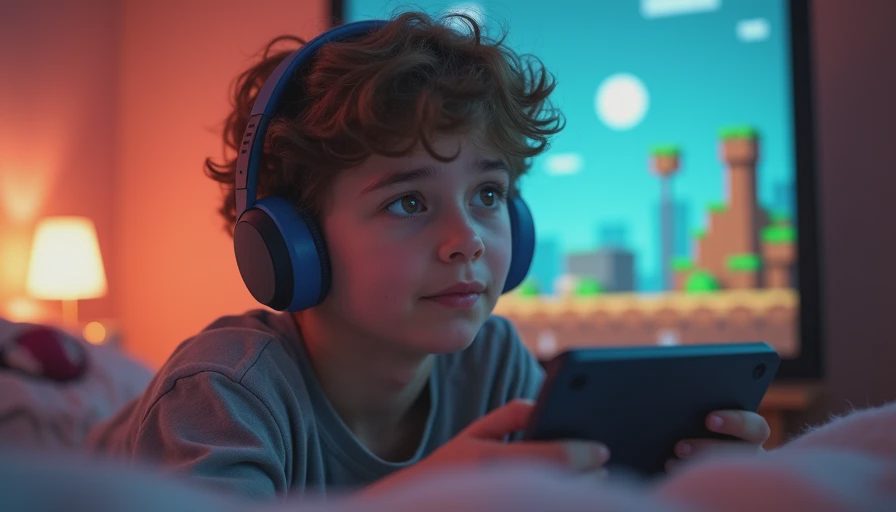
Starbound is among the most obvious games similar to Terraria because it shares the side-scrolling, block-building foundation. You explore planets, collect materials, upgrade equipment, meet alien settlements, and build wherever the mood takes you. The science-fiction setting gives it a broader sense of scale than Terraria, even when the individual planets feel less handcrafted.
The appeal is strongest if your favorite Terraria moments involve wandering into something unexpected. A new planet can offer a different visual identity, enemies, weather, and resources. You can focus on building a stylish base, follow story missions, or simply travel while collecting furniture that has no practical purpose beyond making a room feel lived in.
There is a catch. Starbound can feel slower and less sharply designed, especially at the beginning. Its progression is not always as exciting as Terraria’s, and some systems have more friction than they should. Still, for a player who wants space travel and a wider canvas, it remains worth trying. This is a good game, but it does not always deserve a tired person’s Tuesday night unless the premise really grabs them.
Valheim is better for deliberate survival
Valheim belongs on any list of games similar to Terraria for players who enjoy turning raw materials into a functioning home. Its world is three-dimensional and procedurally generated, with forests, oceans, swamps, mountains, and dangerous bosses. The building system is the star. A small shelter can become a timber hall, dock, workshop, or ridiculous longhouse that takes over an entire evening.
The pace is more deliberate than Terraria. You travel, hunt, cook, repair equipment, and prepare carefully before entering a new biome. That preparation makes victories feel earned, but it also creates more friction. A short session can disappear into sailing, resource hauling, or repairing a roof damaged by weather and enemies.
Valheim is best when you have a regular group and enjoy shared projects. Solo players can have a great time, but the world feels less demanding with company. If you want instant rewards and constant discoveries, choose Core Keeper instead. If you enjoy a slow Saturday project that gradually becomes a place with history, Valheim can earn many evenings.
Minecraft is still the practical answer
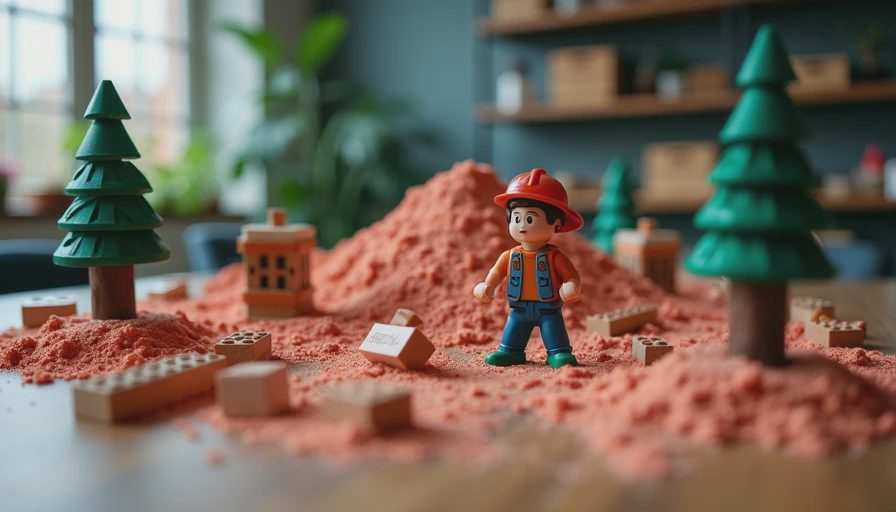
Minecraft is often mentioned when people search for games similar to Terraria, and the comparison is fair even though the two games have different priorities. Minecraft offers mining, crafting, combat, exploration, farming, enchantments, and enormous freedom to build. It can be a peaceful creative outlet or a survival game with meaningful danger, depending on the settings and goals you choose.
Its greatest advantage is flexibility. You can play for fifteen minutes by improving a farm, or spend a weekend building a railway through a mountain. The game does not insist on one correct route. That makes it excellent for busy adults, although the lack of direction can also become a problem. Starting a new world without a personal goal often leads to a house, a mine, and a save file abandoned three weeks later.
Minecraft is a better recommendation than many newer sandbox games because it is easy to return to. You do not need to remember a complicated quest chain or recover from missing a seasonal event. For creative players, builders, and families sharing a server, it is still one of the most dependable games similar to Terraria.
Necesse keeps the loop focused
Necesse is a less famous but highly appealing choice. It combines top-down exploration, settlement management, crafting, farming, combat, and procedural islands. You control a character while also helping a growing group of settlers, so the experience sits somewhere between an action RPG and a compact colony game.
The key strength is focus. Necesse gives you meaningful tasks without burying the basic loop under excessive menus. Explore an island, find resources, recruit useful residents, improve your settlement, and prepare for the next boss. The pixel art is functional rather than dazzling, but the systems connect cleanly and the sense of progress arrives quickly.
This is one of the strongest games similar to Terraria for someone who wants variety in shorter sessions. You can make visible progress in forty minutes, then stop without feeling as if you interrupted a twelve-hour expedition. The settlement layer also gives your resources a purpose beyond making the next sword slightly stronger.
Which game should you start tonight?
Choose Core Keeper if you want the closest modern match with a relaxed underground structure. Choose Starbound if space travel, alien planets, and decorative building matter more than perfectly tuned progression. Pick Valheim if your ideal evening involves gathering wood, constructing a shelter, and preparing for a dangerous trip with friends.
Minecraft is the safest long-term sandbox because it can become almost anything, but it asks you to provide the direction. Necesse is the best under-the-radar option when you want exploration and settlement management in a tighter package. Those are the games similar to Terraria I would put ahead of a random survival release with a large map and little to do.
Before installing anything, decide what you actually miss about Terraria. Is it the boss progression, the joy of finding a new cave, the satisfaction of building a base, or the freedom to make your own objectives? A game that matches that specific pleasure will serve you better than one that merely copies the pixel art. A good game does not just deserve praise. It deserves your Tuesday night.



No notes yet — write the first.